
After several months of abstaining, I spent the better part of this Sunday playing video games. It’s not like I don’t have anything I should be doing—my to-do list is neverending. But time you enjoyed wasting isn’t wasted, or however the saying goes, right?
Still, I wanted to make myself feel better about “wasting” my Sunday, so I started thinking about whether I could learn anything useful for me as a writer. A lot of the writing strategies used in video games don’t really apply to fiction writing, but I found a couple of unexpected connections between the two. Here’s a few things fiction writers can learn from playing video games.
Immersion Through World-building
Video games are so addictive because they immerse you in a different world and make it feel as real and important, for the moment, as real life. Good novels can feel just as immersive, even though you’re not playing as the characters and can’t affect the outcome of events.
How do video games achieve immersion, other than the simple fact that you’re put in the position of a character who can choose how they interact with the game world? A few different ways:
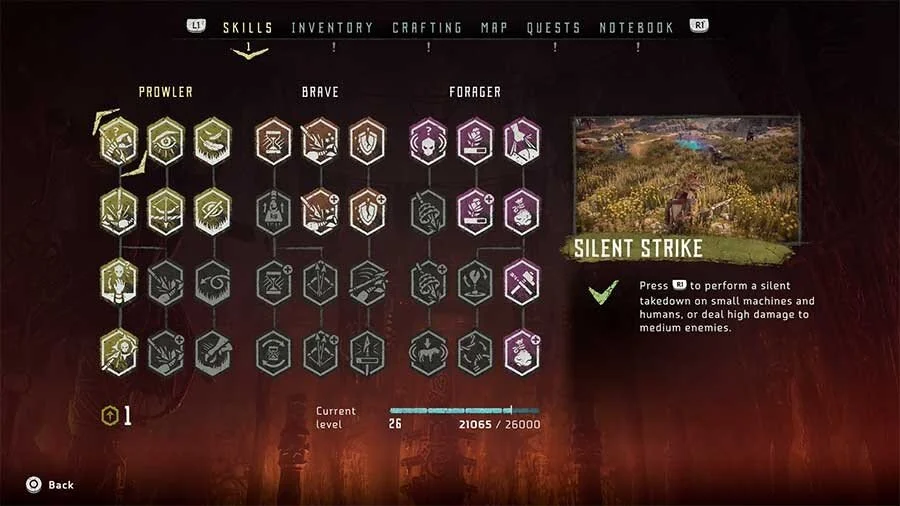
Skills in Horizon: Zero Dawn. Source: Gamers Heroes
Rules
If you understand how things work, you feel more involved in the world. You can predict outcomes at least as well as in real life. You can think of solutions before they’re presented to you.
The key with rules is consistency. In a game, for example, you can often customize your character’s skills and stats. If you understand what a certain skill allows you to do, you can strategize accordingly. In a novel, if readers understand the rules of the world, the magic system, the characters’ personalities, etc., they understand the events that follow from those rules. They can predict what might happen or be satisfied by a twist they didn’t see coming, but which makes sense. Nothing disrupts immersion faster than an unexplained broken rule, whether in a video game or a novel.
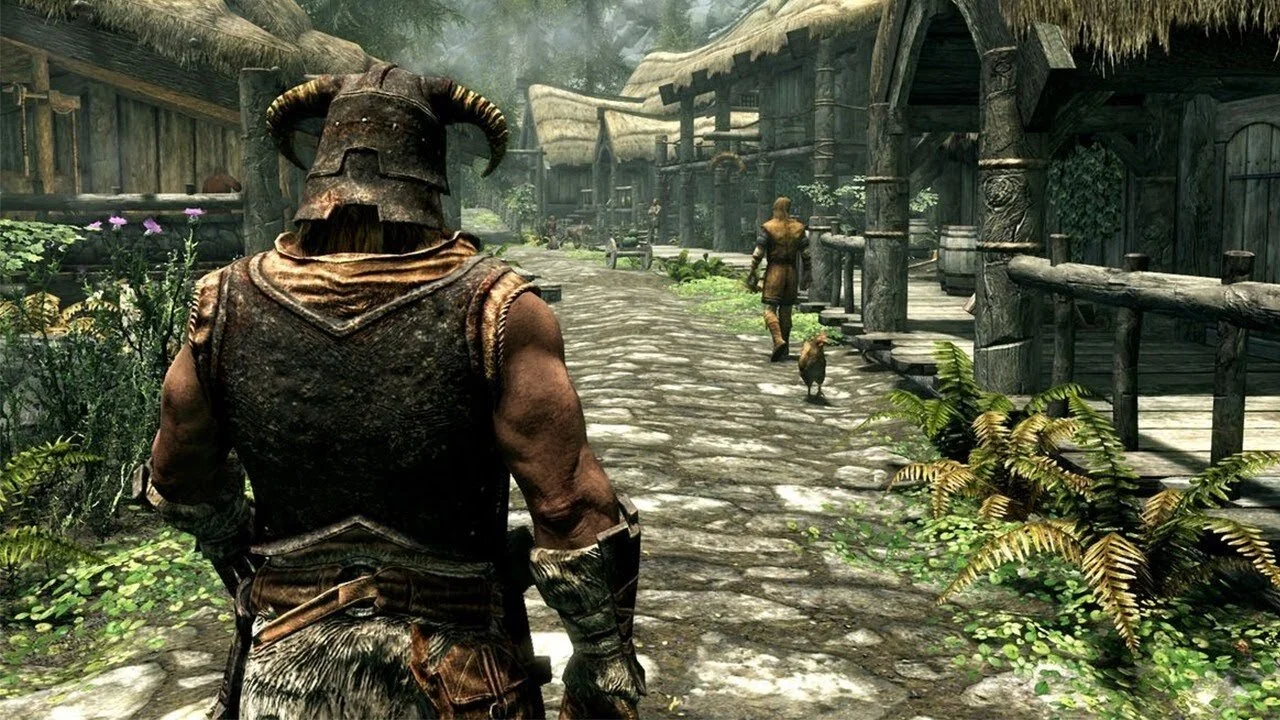
A village in Skyrim. Source: IGN
Non-Essential Details
In good video games, the player explores a world that feels full, regardless of how much of the world they actually see. A lot of that fullness is achieved by details that suggest that the plot of the game or your character’s activities aren’t the only thing going on.
One advantage video game creators have is that they can drop background details wherever they want, and the player can choose whether to pay attention to them. That way, those non-essential details don’t get in the way of gameplay, but they can filter into the player’s awareness and fill out their view of the video game world.
In novels, the reader has only one choice: to read the words written on the page. Everything you give readers has to be important, because they can’t avoid it (unless they decide to skim passages, which isn’t what we’re aiming for!) However, it’s possible to sneak in those little non-essential details by including them in setting descriptions, character actions, etc.
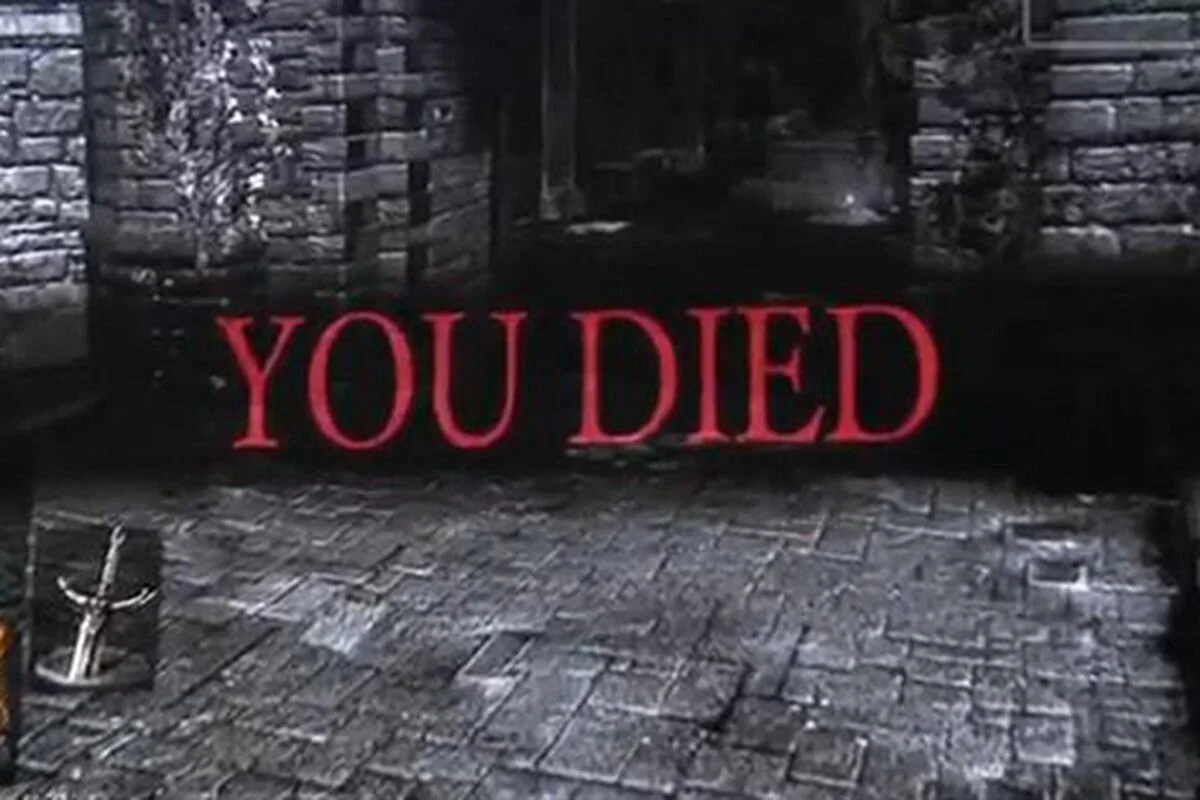
Death screen in Dark Souls. Source: Polygon
Consequences
Immersion and investment go hand-in-hand, as do rules and consequences. Players and readers are much more motivated to dive headlong into a world if they understand the consequences of certain actions.
In a video game, this can take place through story or simple game mechanics. If your actions have repercussions to the story, you’re much more motivated to think through your decisions, and consequently to immerse yourself in the world. If you understand what can kill you (again, by immersing yourself in the world enough to understand the rules and consequences), you’re more motivated to avoid it.
The same applies to novels. Even though the reader can’t take any actions, they can want certain things to happen. If they don’t understand the consequences of events or actions, they won’t care about them and they won’t be immersed in the world.
Rewards As Plotting Tools
Though rewards can certainly contribute to immersion and world-building, I think it’s more interesting to look at them as plotting tools.
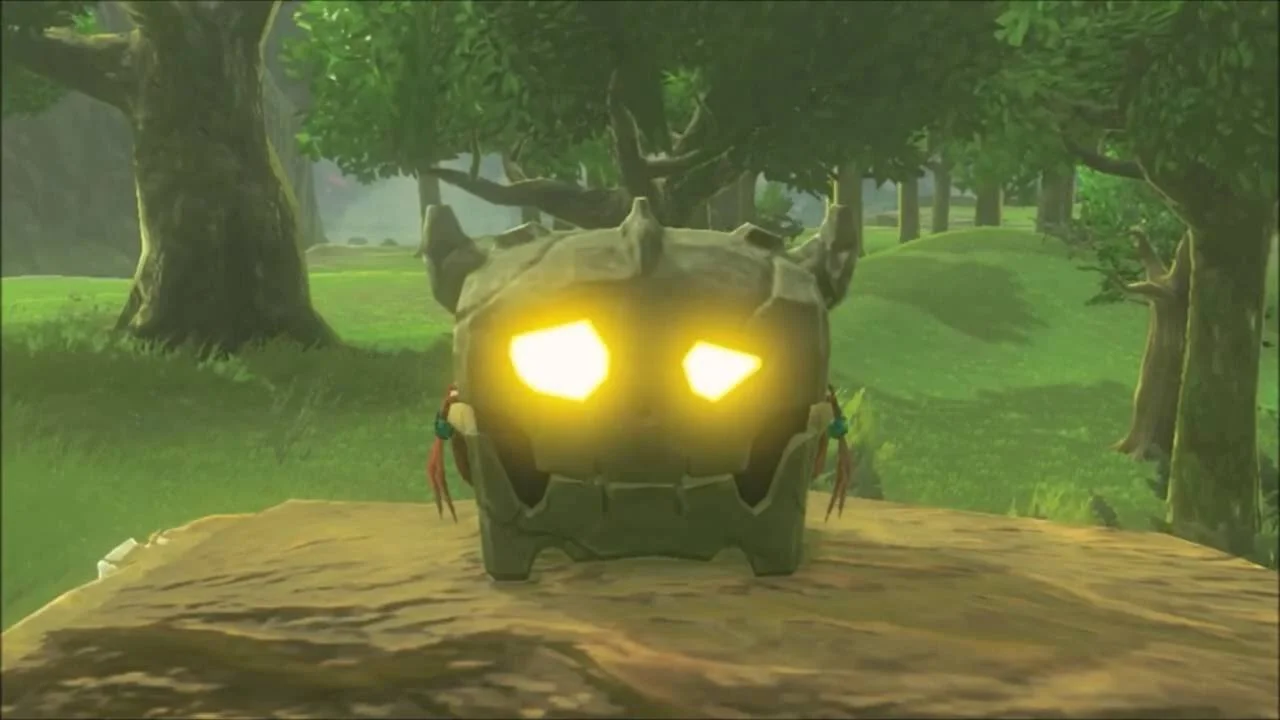
A bokoblin chest in The Legend of Zelda: Breath of the Wild. Source: NintendoFire
Think about it: if you’re engaged in an epic battle against several tough enemies, dying and starting over several times before you figure out a way to emerge victorious, you want an appropriate reward and can be seriously let down if you only get a coin pouch. It’s okay to be disappointed sometimes, but if it happens repeatedly, you’re going to lose your motivation to continue. On the other hand, if blasting a couple of weak enemies out of the way results in uncounted riches, you can quickly get bored by a game. You want to earn rewards—that’s why you’re playing the game in the first place.
Likewise, readers want to be rewarded when they read, but they also want to earn their rewards. A great example of this is the first kiss in a romance novel or romantic subplot. Readers don’t want to see a kiss between the leads the first time there’s any sexual tension; they want the story to build up to the moment so that the reward—the kiss—feels earned.
The reward mentality can be applied to any scene or event you want readers to anticipate. Repeated scenes about the main character being bullied are the way the main character and the readers earn the scene where the bullies get their comeuppance. The more intense and stretched out the bullying, the more satisfying the comeuppance scene should be so that the reward feels proportional to the struggle to receive it.
Your Turn
Consider this blog post permission from me to play some video games and see if you can glean any insights into writing by looking at the game through these different focuses. 😉
-
How are rules introduced in your favorite game?
-
What kind of non-essential details does the game place around you?
-
What are the consequences of your actions, and how do they impact you as a player?
-
What’s the connection between struggle and reward, and how does the game keep you satisfied?
-
Do any of your observations give you ideas for your current writing project?
What are your favorite video games? Have you learned anything about writing from them? Tag me on social media and let me know!
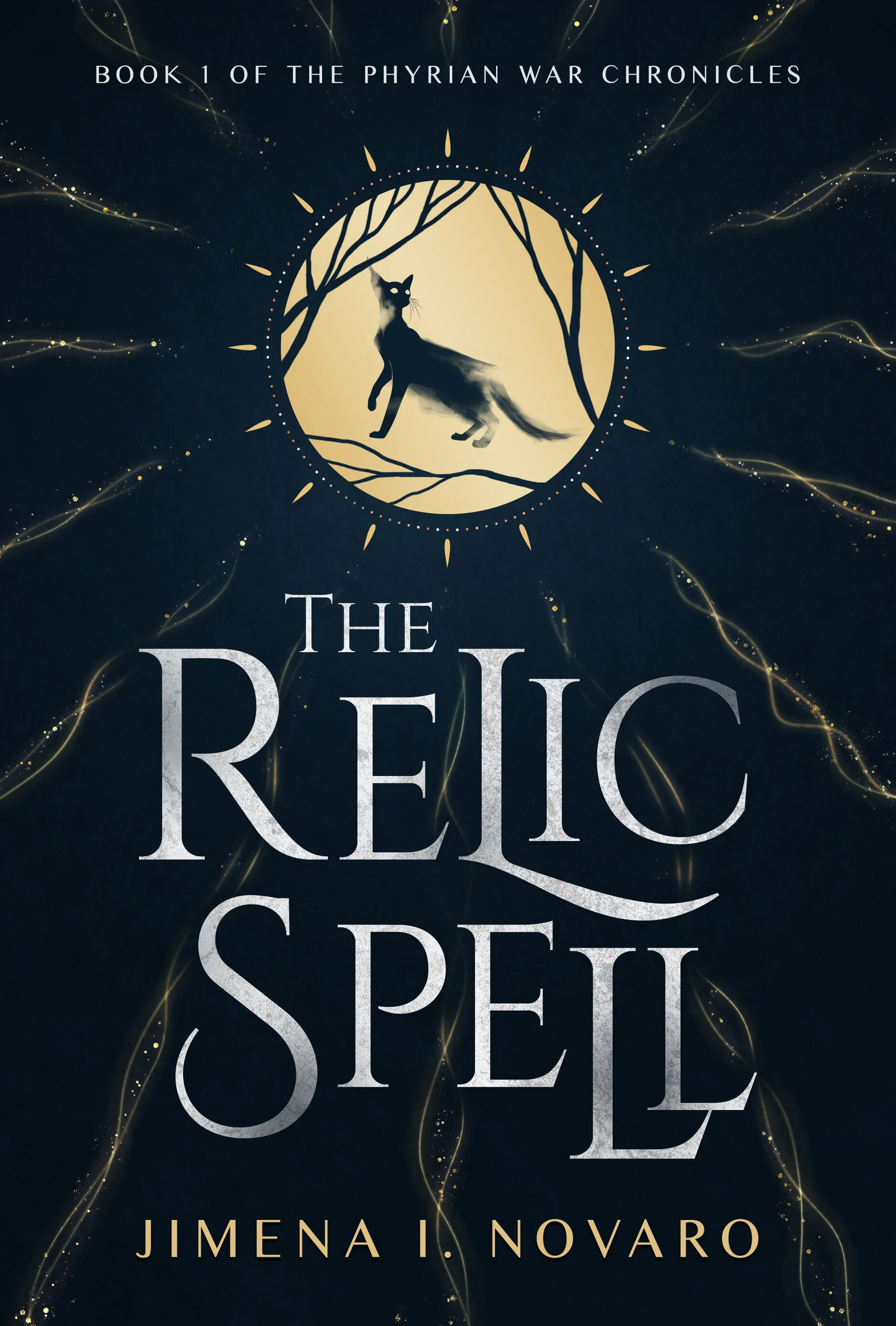
My upcoming novel, The Relic Spell, is available for pre-order in paperback and ebook formats! I still have some book swag (custom journals and totes) to give away to people who pre-order!